2026-10-17 ·
Preventing Summer Humidity Mold in Cedar Glen Basements
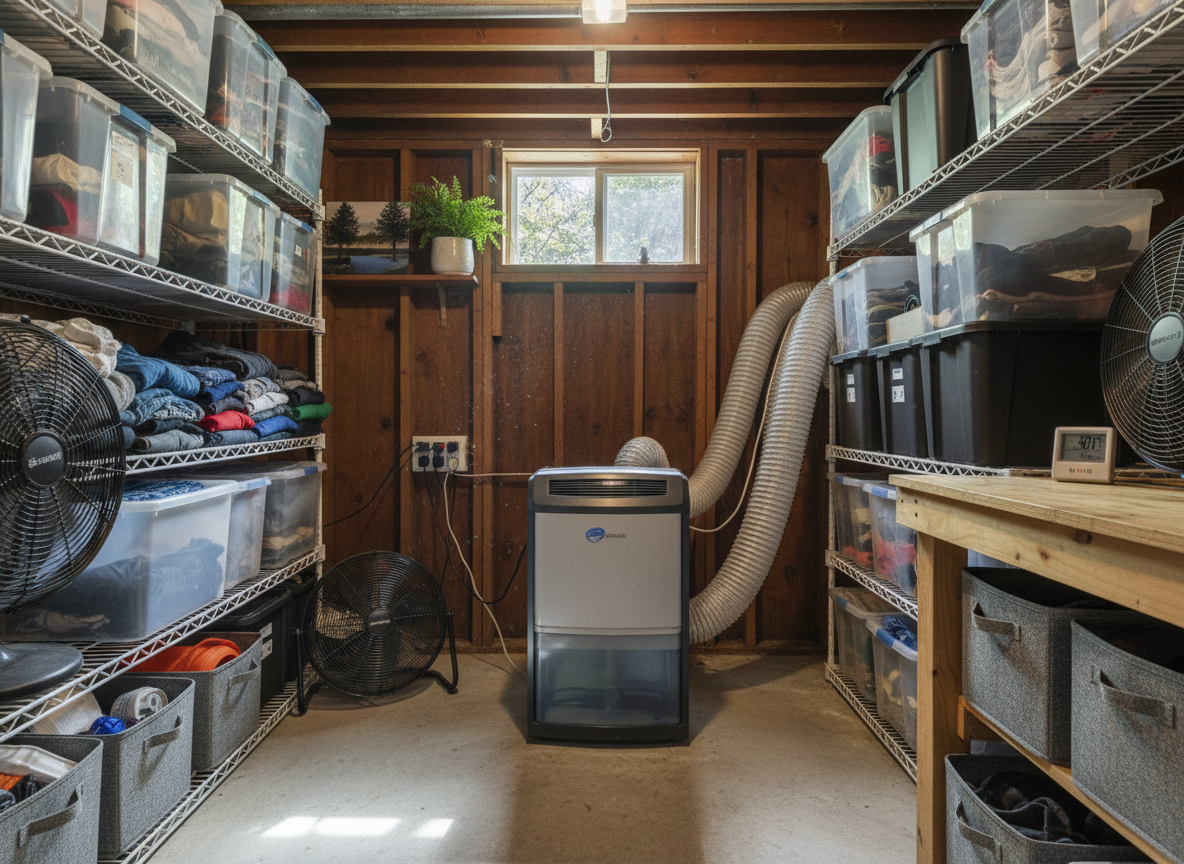
In Cedar Glen's mountain climate, keeping basement relative humidity under 50 percent throughout summer prevents most humidity-driven mold. Warm days followed by cold nights pull moisture into lower levels of homes near Lake Arrowhead, especially in older cabins built on sloped terrain in San Bernardino County. Addressing this starts with sealing entry points and improving air movement rather than waiting for visible growth.
How Local Terrain and Weather Drive Basement Moisture
Cedar Glen sits at elevation in the San Bernardino Mountains where summer temperatures often reach the 80s while nights drop into the 50s. This swing pushes warm, moist air downward into basements that lack proper vapor barriers. Homes along Hook Creek Road and surrounding neighborhoods face added risk because many rest on uneven ground that channels runoff toward foundations after brief thunderstorms. Cold winter soil holds water longer, so spring saturation lingers into early summer and feeds humidity once temperatures climb. Residents near Lake Arrowhead see similar patterns because the lake moderates daytime warmth yet increases overnight dew formation on cooler basement walls. These conditions turn ordinary crawl spaces and unfinished basements into mold-prone zones faster than flatland properties in nearby San Bernardino.
Practical Steps to Control Summer Humidity
Start by installing a dehumidifier sized for the square footage and emptying it daily during peak humidity weeks. Run exhaust fans in any below-grade bathrooms or laundry areas for at least 30 minutes after use. Seal foundation cracks with hydraulic cement and apply waterproofing paint on interior walls to block ground moisture. Check that exterior grading slopes away from the house at least six inches over the first ten feet. Place a digital hygrometer on the lowest shelf and log readings every morning; if levels climb above 55 percent for more than two consecutive days, increase ventilation immediately. These actions address the specific temperature swings common in Cedar Glen rather than generic advice suited to coastal areas.
When to Schedule a Basement Mold Inspection
Even with daily prevention, hidden moisture behind paneling or under carpet pads can appear after heavy rains. Basement mold inspection identifies problem spots before colonies spread into living spaces. Technicians check for elevated moisture in sill plates and rim joists common in Cedar Glen's older wood-frame homes. Early detection keeps remediation costs lower and protects indoor air quality during the warm months when windows stay closed more often. Homeowners who notice musty odors near the stairs or white powdery residue on stored boxes should call for testing right away.
Ongoing Maintenance Through the Season
Inspect window wells and sump pump pits monthly to confirm they remain clear of debris. Replace HVAC filters every 60 days because mountain pollen and dust load systems faster in summer. Store items off the floor on plastic shelving so air circulates underneath. If a dehumidifier runs continuously, have the unit serviced to maintain efficiency. These habits align with the real demands of San Bernardino County mountain living where power outages and variable weather can interrupt mechanical systems without warning.
Related Reading for Cedar Glen Homeowners
For deeper insight into cost variables specific to local cabins, review Cost Factors for Mold Removal in Cedar Glen Cabins. Properties built before 1980 often contain hidden mold behind original insulation, and the guide Inspecting Older Cedar Glen Properties for Hidden Mold outlines inspection points that matter most. After any storm, follow the steps in Checking for Mold After Heavy Rains in the San Bernardino Mountains to catch new moisture before it turns into growth.